Do You Know Something About Blades?
May 05, 2023
For adults, the blade will normally be 1/8" to 1 1/4" shorter than the boot sole length when measuring to suit boots. You would typically purchase a blade that is 9.25" long if the sole length of your boot is 9.5". Avoid employing a blade that is too long for the boot since doing so will make it difficult to position the blade correctly and evenly distribute weight.Depending on the quality of the specific skate blade being created, blades are built from strips of steel with varying carbon contents. In comparison to beginner-level blades, advanced-level blades use a higher grade of steel, allowing the edges to keep their sharpness for a longer period of time.
Additionally, they facilitate a smoother flow over the ice and frequently enhance jumps and spins. Many of the more recent beginner blades are now constructed of stainless steel, which is more resistant to rust and damage and maintains a sharp edge longer than steel that has been nickel-plated.
Skaters commonly inquire as to why certain blades cost significantly more than others. The carbon and nickel content of the blades is one of several variables that affect the price of blades. Another is the chromium process, which results in higher-quality blades with more layers for further moisture defense. The force of repeated jump landings might cause the solder used to link the blades to the boot soles to fail.
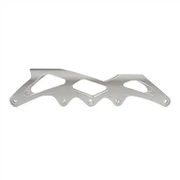
Some of the most recent stainless steel blades include a lightweight aluminum alloy chassis thanks to advancements in "lighter" boot technology, which can enhance jump height and extend rotation duration by lowering the weight of the blade. The chrome coating on the blade is cut away from the edge so that a clean steel region may better grip the ice surface (beginning blades are sometimes nickel-plated instead of chrome-plated). The simplest way to tell when the sharpening area has run out is to look for a line on the sides of the blades.
Skating of the highest caliber has been the norm for decades thanks to classic blades. However, the majority of the noticeable advancements in blade technology have been made in the area of design. Most of them include a design technique to reduce weight and boost lift. The aluminum alloy frame lightens the overall design by up to 33%, while the hardened stainless steel runner maintains edges longer. Higher leaps and less fatigue are produced by less weight.
Keep in mind that using the priciest or newest blade design won't make you a better skater and could even slow you down. Like footwear, your choice of blades should reflect your degree of expertise. Ask your coach or a skilled skate technician for ideas if you need them.